BLOG 349: LED & RED LIGHT THERAPY: MY HONEST EXPERIENCE AFTER YEARS OF TESTING
Dec 28, 2025
LED and red light therapy have gone from something you’d only see in clinics to something many of us now use at home. I’m asked about it all the time, does it really work, is it safe, and is it worth investing in?As someone who has been teaching Face Yoga for 20 years, I’m always interested in tools that genuinely support skin health rather than chasing quick fixes. I’ve tested LED masks on and off for years, and I want to share what red light therapy actually does for the skin, how I use it, and why I’ve personally stuck with one mask above all the others (the amazing CurrentBody Series 2 mask which you can get 10% off with code CBYOGA).
What actually is LED and red light therapy?
LED (light-emitting diode) therapy works by delivering specific wavelengths of light into the skin. Unlike heat or lasers, LED light is non-invasive and doesn’t damage the skin barrier. Instead, it works at a cellular level.
Red and near-infrared light help stimulate the mitochondriathe “energy centres” of our cells. When these cells have more energy, they function more efficiently, which supports natural processes like collagen production, repair, and inflammation reduction. In simple terms: the right light, delivered consistently, helps skin cells work better.
Why red and near-infrared light matter for ageing skin
Not all LED light is the same, and this is where things can get confusing.
The most researched wavelengths for skin rejuvenation are:
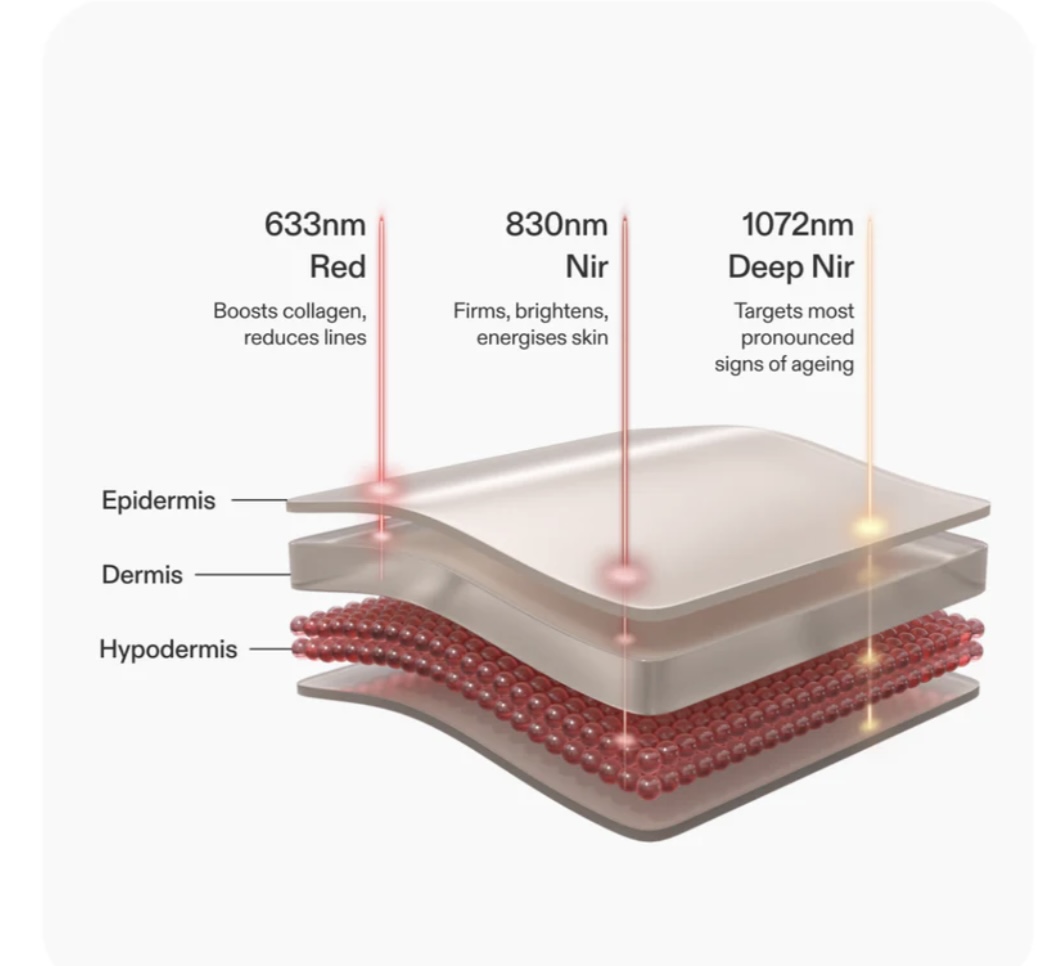
Red light (around 633nm) – supports collagen production and helps soften fine lines and wrinklesNear-infrared light (around 830nm) – penetrates deeper, energising cells and supporting firmness and brightness
Deep near-infrared light (around 1072nm) – reaches even deeper layers of the skin, where collagen loss and skin laxity are more pronounced
These wavelengths work together rather than replacing one another. One of the reasons I’m so particular about LED devices is that wavelength precision matters just as much as power.
Does LED therapy actually improve skin?
When used consistently, research and clinical studies show visible improvements in skin texture, firmness and plumpness. In independent clinical testing, red light therapy has been shown to reduce the appearance of wrinkles and significantly improve skin plumpness within around eight weeks of regular use.
What I see most often, both personally and with clients
Skin looks fresher and more evenFine lines soften rather than disappear overnightSkin tone looks healthier and more radiantRecovery and repair improve, especially when skin is stressed
It’s not an instant fix, and that’s important to say. LED works best with consistency.
How I personally use LED at home
I use LED therapy in the evening, around three to five times per week, usually after cleansing and before any heavy skincare. Sessions are short, about 10 minutes, which makes it easy to stay consistent.
I see LED as something that complements Face Yoga beautifully. Face Yoga works with muscle tone, circulation and lymphatic flow, while LED supports the skin cells themselves. Together, they’re a powerful combination.
Why I choose the CurrentBody LED Face Mask Series 2
I’ve tried five or six different LED masks over the years, clinic versions, at-home versions, rigid masks, flexible ones, and not all of them are equal.
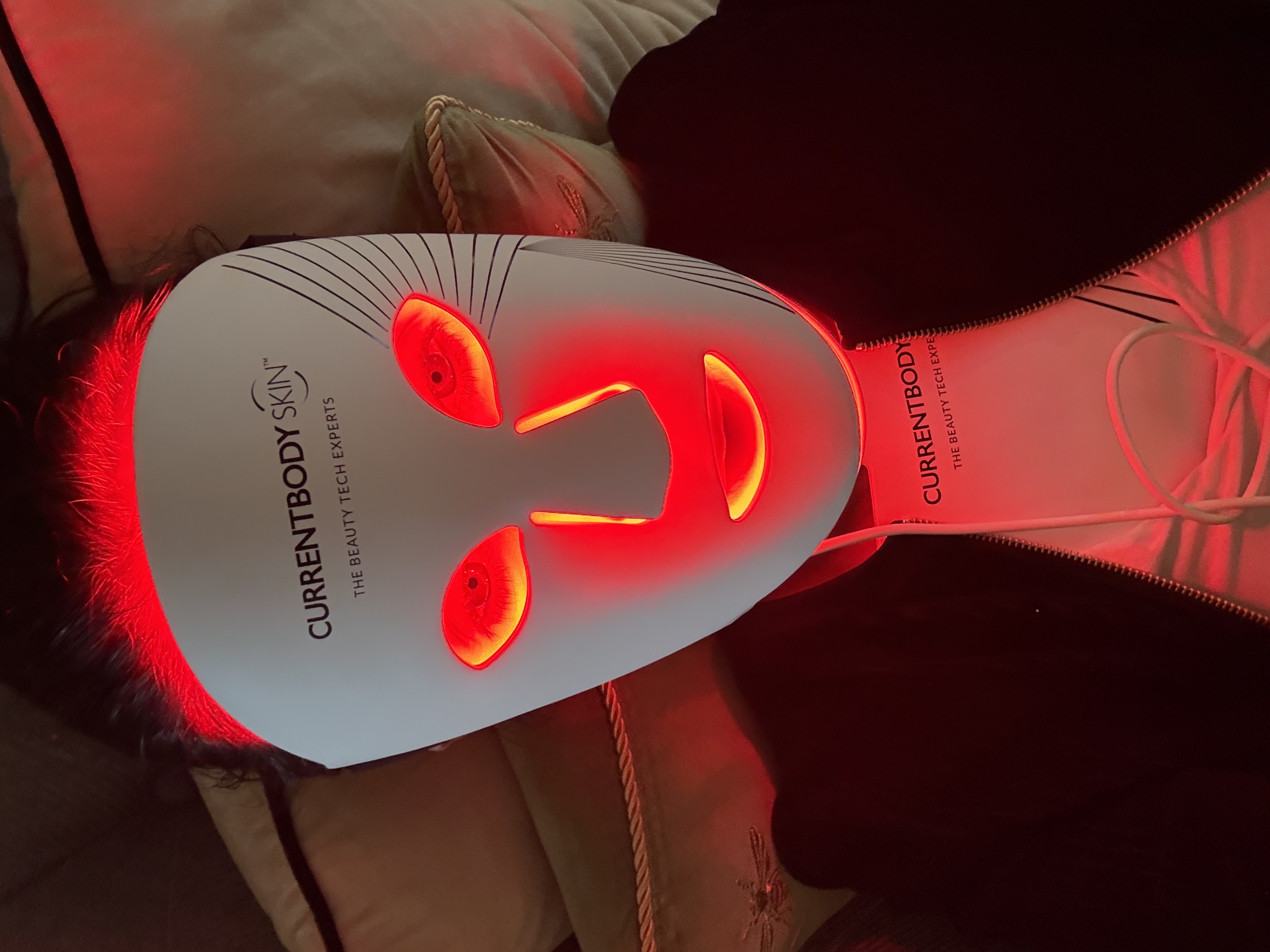
I used the CurrentBody Series 1 mask for about a year (and this is excellent), and I’ve now been using the Series 2 for around six months. It’s the one I keep coming back to as it is exceptional.
If you’re considering trying it yourself, you can currently get 10% off the Series 2 LED Face Mask, with code CBYOGA.
1. Coverage matters: The Series 2 has significantly more LEDs, arranged in a way that gives even, full-face coverage, including areas that often get missed like the jawline and lower face.
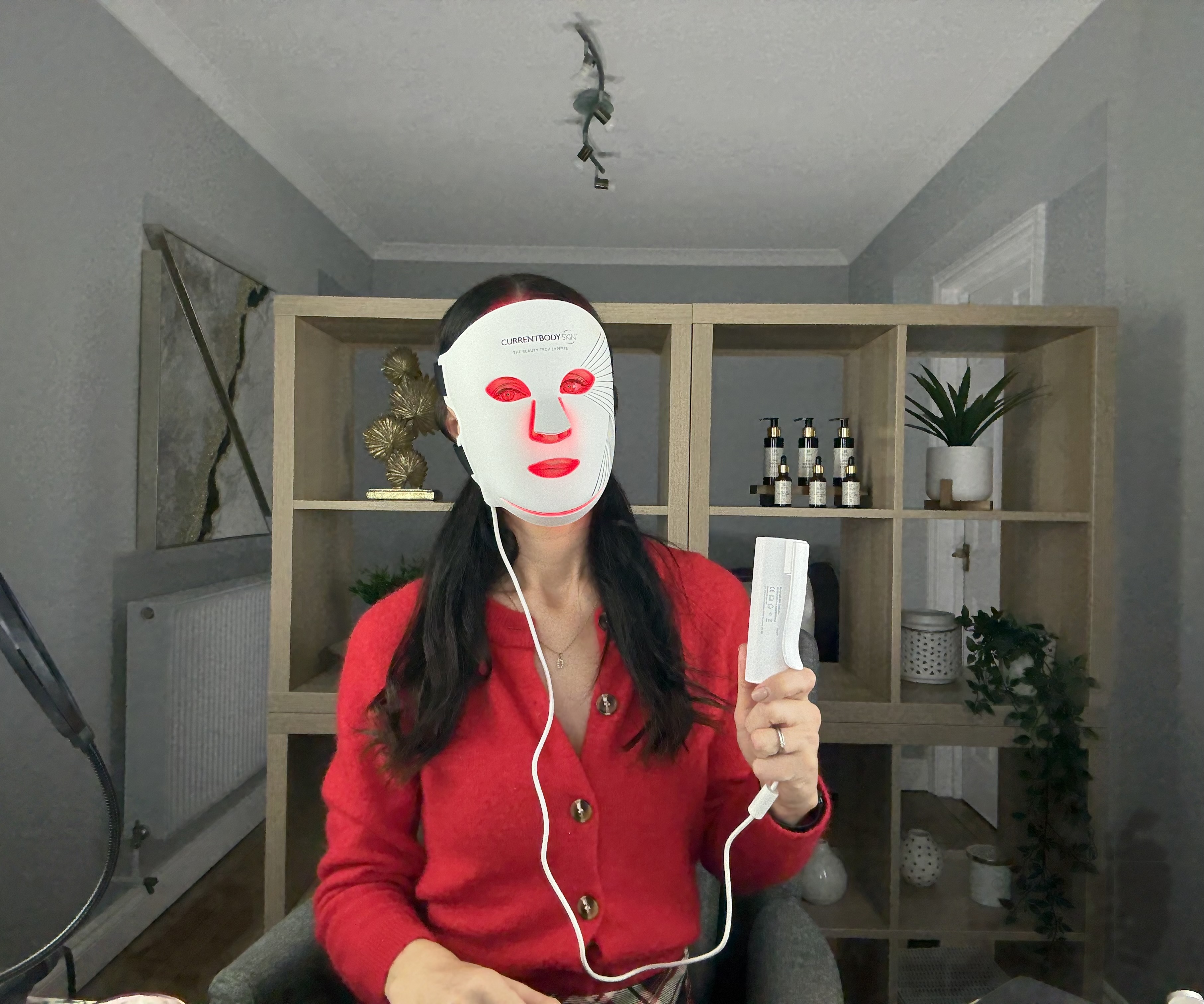
2. Multiple precise wavelengths: It uses red, near-infrared and deep near-infrared light together, rather than relying on just one wavelength. This means it works on both surface-level skin concerns and deeper structural ageing.
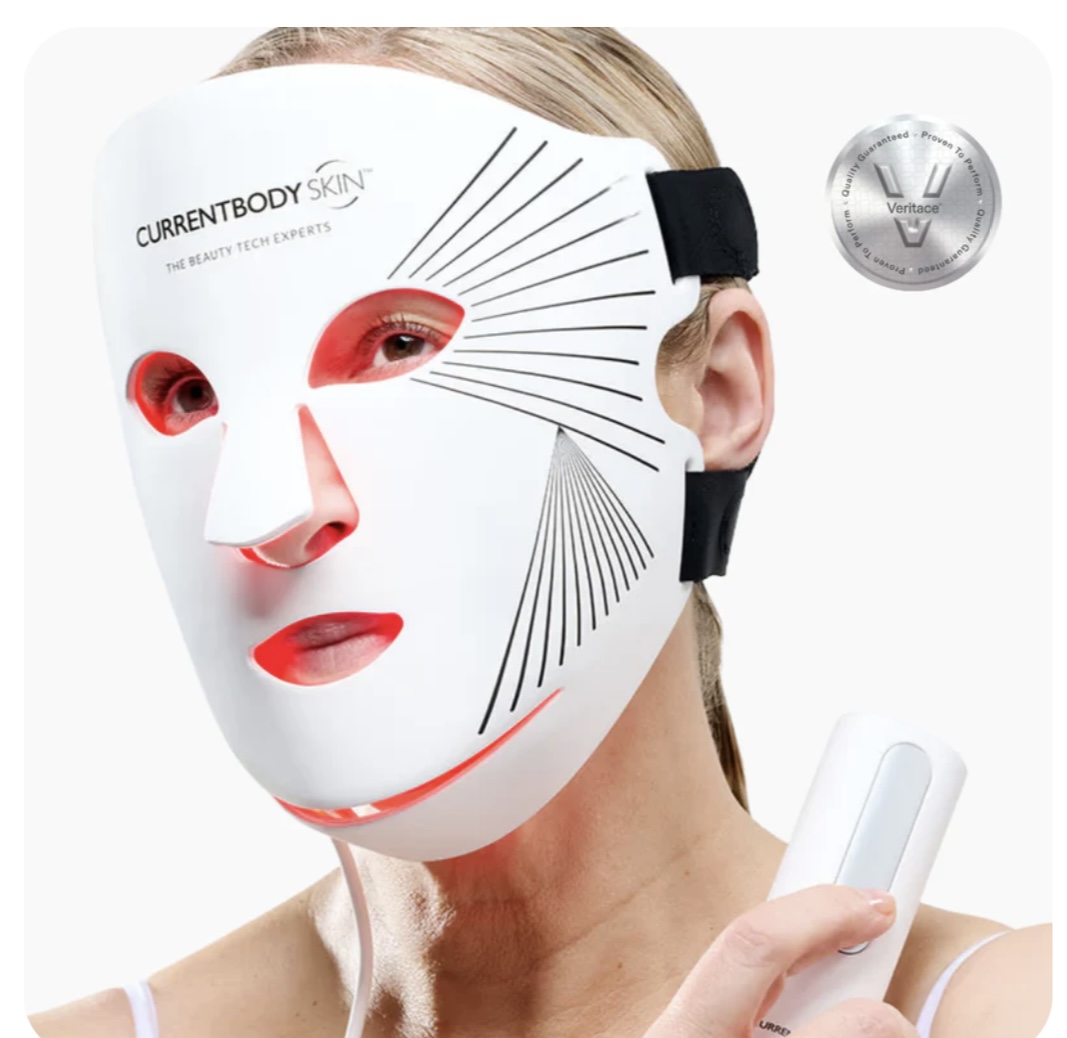
3. Comfort and consistency: The flexible silicone design fits comfortably, which makes a huge difference when you’re using something several times a week.
4. It’s not about “more power”: One thing I really like is that the focus isn’t on blasting the skin with excessive power. LED therapy works best with controlled, consistent energy over time. More power isn’t better, precision and regular use are.
How long does it take to see results?
Most people start to notice changes in around four weeks, with more visible improvements after eight weeks of regular use. Skin often looks brighter first, then plumper, then gradually smoother.
This mirrors my own experience. It’s subtle at first, but when i notice how my skin behaves day-to-day, the changes are very real.
Is LED suitable for everyone?
LED therapy is generally safe for most people, but there are important exceptions. Anyone who is pregnant, has photosensitive conditions, certain eye conditions, or is taking medication that causes light sensitivity should always check with a healthcare professional first.
My honest conclusion
LED and red light therapy can be absolutely worth it, if you choose a well-designed device and use it consistently. It’s not a replacement for Face Yoga, good skincare, or lifestyle habits, but it’s a powerful support. For me, it’s become part of my evening routine, simple, calming, and genuinely beneficial for my skin over time.
And if you’d like to try the same mask I use, remember you can get 10% off the Series 2 LED Face Mask, with code CBYOGA.